

By Charlene Roth
Sedona, AZ — Urban gardeners, busy renters with balconies, parents with small yards, and neighbors curious about shared plots, often want local food production but feel boxed in by tight space, limited sunlight, and city rules that make starting seem complicated. Patio gardening can feel like a puzzle of trade-offs, and backyard gardening ideas can stall when soil, time, or confidence runs short. Community garden benefits add another layer, because growing in urban green spaces means sharing decisions, schedules, and expectations with others. With the right foundation, a small space can become a steady source of fresh food and a calmer corner of the city.
Understanding the Urban Garden Basics
Urban gardening works best when you treat it like a set of simple, repeatable choices. That means picking plants that match your light and time, watering with less waste, planning by season, building healthy soil, and arranging containers or beds to use every inch.
This matters because the right basics prevent the common cycle of buying supplies, losing plants, and starting over. When your setup fits your real life, you harvest more food, spend less, and keep the work calm and predictable.
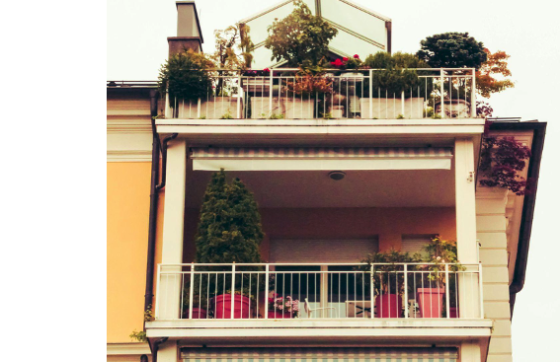
Picture a small balcony with three pots and one sunny corner. You choose compact greens, add compost to refresh the mix, and use a saucer or drip bottle to water slowly. You plant cool season crops early, then swap in heat lovers later, without changing your whole system. With those basics clear, creative AI can help you share crisp signs and posts that build participation.
Create Polished Flyers and Signs That Fill Your Garden Events
Once you’ve got the urban garden basics down, the next challenge is getting neighbors to actually notice, and show up. An AI-powered tool like Adobe Firefly creative AI can help you design eye-catching visuals that spread the word about your garden without needing pro design skills. If you’re creating outreach visuals, you can generate flyers, social media graphics, and signage quickly and consistently, so your messages look coordinated from the sidewalk sign to the Instagram post. With clearer, more polished communication, it’s easier to boost participation and build momentum around workdays, harvest shares, and community meetups.
Start and Sustain an Urban Garden Step by Step
Your goal is simple: set up a garden that grows food reliably and stays manageable week after week. This process helps you make a few smart early choices, then keep things healthy with light, consistent upkeep that fits real life.
- Test your soil and fix the basics
Start by testing your soil so you know what you are working with before you buy a bunch of plants. Use the results to add what is missing, usually compost for overall improvement, plus targeted amendments only if the test suggests them. This step prevents weak growth and saves money on guessing. - Build better soil structure before planting
Loosen compacted ground so roots can spread and water can soak in instead of running off. If your area is tight or trodden on, aerate the lawn and nearby planting zones, then top-dress with compost and mulch. Better structure means fewer watering problems later. - Choose plants that match your light and your schedule
Observe sun exposure for a few days, then pick beginner-friendly crops that fit it, such as leafy greens for part shade and tomatoes or peppers for full sun. Start small with 3 to 6 varieties you actually like to eat, and mix quick wins like radishes with longer growers like beans. Matching plants to conditions reduces frustration and replanting. - Set a simple watering routine you can keep
Pick two weekly check-in days and water based on what the soil feels like a few inches down, not the calendar alone. Use mulch to slow evaporation, and watch for puddling or dry spots so you can adjust; many landscapes often aim around 1 to 1.5 inches of water per week as a starting point. Consistency beats overwatering, especially for beginners. - Run a maintenance checklist and share the work
Keep a short list on paper or your phone: weed 10 minutes, scan for chewed leaves, tie up plants, harvest what is ready, and refill mulch when soil shows through. In a shared space, assign repeating roles like watering lead, compost watcher, and harvest coordinator, and set one weekly message for updates and swaps. Clear ownership turns neighbor interest into steady follow-through.
Urban Gardening FAQs: Quick Fixes That Work
Q: What do I do first if pests show up on my plants?
A: Start with a close look: flip leaves, check stems, and identify the culprit before treating. In many urban community gardens, pests in their plots are common, so you are not failing, you are gardening. Hand-pick bugs, blast aphids off with water, and remove badly damaged leaves to slow spread.
Q: How often should I water without overdoing it?
A: Let the soil lead: if it is dry a couple inches down, water deeply; if it is still cool and damp, wait. Water early in the day and aim at the base of plants to reduce disease. Mulch helps you water less often by slowing evaporation.
Q: Why do my veggies look pale even though I’m watering?
A: Pale growth often points to low nutrients or roots struggling in compacted soil. Add a thin layer of finished compost and keep feeding light and steady. For clarity, a soil test every 3-4 years can show what is actually missing.
Q: How can I prevent disease without using harsh chemicals?
A: Give plants breathing room, prune crowded leaves, and avoid soaking foliage when you water. Pull and trash infected leaves promptly so spores do not spread. Healthy soil and consistent moisture make plants naturally more resilient.
Q: Can I grow enough food in a small space?
A: Yes, if you grow what gives frequent harvests: salad greens, herbs, scallions, and compact peppers. Use vertical supports for beans and cucumbers, and stagger plantings every couple weeks. Small spaces reward smart choices and regular picking.
Two Weeks of Consistent Urban Gardening for Food and Connection
City life makes it easy for gardens to slip between work, weather, pests, and tight space, especially when problems pop up fast. The steady approach is simple: stay observant, troubleshoot early, and build a routine that fits real life instead of chasing perfection. Over time, that mindset means more reliable harvests, better local food access, and a sustainable lifestyle support system that feels doable week after week, plus the quiet bonus of community connection through gardening. Small, steady care turns a balcony or curb strip into a dependable food patch. Pick your next two weeks of garden moves, one check-in day, one care task, and one share or swap moment, and keep it light. That consistency grows resilience: healthier meals, less waste, and stronger ties right where life happens.