

By Joseph Rittenhouse
SEDONA, Ariz. — In a Sedona election year already marked by debate over growth, spending, and the future direction of Sedona, one issue continues to reverberate through the community: the city’s unsuccessful attempt to keep Proposition 403 off the ballot.
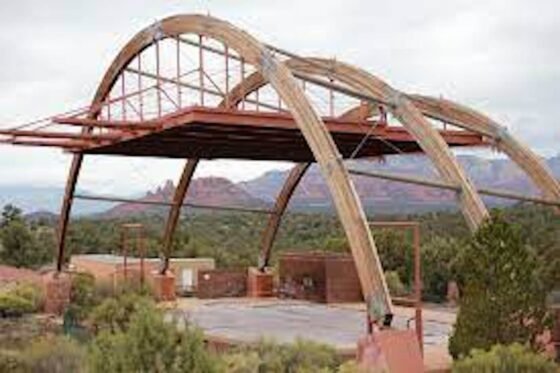
Proposition 403, or the “Sedona Cultural Park Preservation Act,” is a voter-led initiative on the July 21, 2026 ballot that seeks to designate the 41-acre city-owned Western Gateway property (formerly the Cultural Park) as a Parks and Recreation facility
On March 31, the Sedona City Council voted to retain Phoenix law firm Herrera Arellano LLP to challenge the citizen-led initiative and seek its removal from the July 21 ballot.
The lawsuit targeted the Save Sedona Committee, the group behind Proposition 403. Supporters of the initiative argued they were exercising their constitutional right to place a measure before voters, while city officials maintained that legal review of the initiative was necessary to ensure compliance with Arizona law.
The dispute ultimately landed in court.
On May 6, Coconino County Superior Court Judge John Napper ruled against the city, allowing Proposition 403 to remain on the ballot and clearing the way for voters to decide its fate.
While the legal battle may be over, the political fallout is just beginning.
For many residents, the case was never simply about Proposition 403. It became a broader debate over the relationship between City Hall and the public. Critics viewed the lawsuit as an attempt by government officials to prevent voters from weighing in on a controversial issue. Supporters of the city’s action argued that elected officials had a responsibility to ensure initiatives met constitutional and legal requirements before appearing on the ballot.
Opponents have seized on the lawsuit as evidence of a council out of touch with public sentiment. Some challengers have framed the issue in simple terms: government should not be suing residents who are attempting to place an issue before voters.
The controversy has become a defining issue in the upcoming council race, where questions of transparency, public participation, and trust in local government are expected to play a prominent role.
What is clear is that the legal challenge transformed a ballot measure into something larger—a referendum on how residents believe their government should interact with the people it serves.
As election day approaches, Proposition 403 is no longer the only issue before voters. The lawsuit itself has become part of the campaign conversation, and its political impact may not be fully known until the ballots are counted.
9 Comments
I find it amazing property that no one wanted, a Amphitheater no one wanted to bring back. Sat idol for over 20 years…..City decides to do something with it, and now you care? Unbelievable …What out of site out of mind?
Who is Councilman Derek Fultz?
Mistake. Fixed.
Wouldn’t it be wonderful if interested Sedona residents got together to pool their creative thoughts about the many wonderful things that could happen on this land that would help draw people together for good clean family fun and entertainment? How about hometown holiday festivals, for instance? Art. Music. Day Camp. Animals. Nature crafts. Movies under the stars. Tree lighting. Pumpkin festival. Botanical garden. Revival of square dancing and line dancing on the ‘stage’. Star gazing. Chili cookoff. Outdoor classroom. Outlandish playground equipment. Outdoor games. Clean restrooms. Security. A backyard for the whole town to enjoy. The land and the space are special. The money will come when enough people care. Get the conversations going and include everyone’s ideas. I guarantee excitement will bring it about. Share the plan here. The money will follow.
Wouldn’t it be great if it had been used to help the un housed employees who serve you and make all those things possible Mary? Instead they get kicked to the curb or rather Bill Gray’s un employed homeless slums.
This is the town of residents not employees. Cornville and Cottonwood are right next door and we have bussing too. Why would we want to utilize one of the most expensive and beautiful locations for cheap housing???? It should benefit the residents of this area and our neighbors,
It’s not cheap housing Tom it’s AFFORDABLE housing for full time employees who work and wish to live in Sedona. I think there are far more employees in Sedona than you assume. Definitely more than that of Cottonwood or Camp Verdes tiny tourist spots (they are growing rapidly though and Cottonwood and Camp Verde have answered the call for affordable workforce housing. Sedona has not, except to offer housing next to a mega toilet. Get real and stop thinking of yourself and your profiteering for once!
@Tom
This piece of property sat, sat and sat. No one wanted it for 20 years….Now all the sudden people are coming out of the woodwork for ideas? Did you even know it was their? Did you give a crap till Sedona bought it?
“This is the town of residents not employees“
How do you figure sports fan? If Sedona lost it’s hundreds if not thousands of employees working in it’s hotels, motels, resorts, spas, the dozens of gem and mineral stores, restaurants, grocery stores and many other employee run businesses, Sedona would cease to exist. If you think the privileged residents of Sedona are going to fill that void you must be using illicit drugs and or drinking heavily. I hope that if the animosity the privileged few are currently showing to the many who serve them daily continues that the whole of Sedona’s workforce stage a massive walkout all at the same time and leave your like minded fellow citizens in an uncomfortable lurch they won’t soon climb back out of. Guess you think magic pixies have been serving you not human friggin beings?