

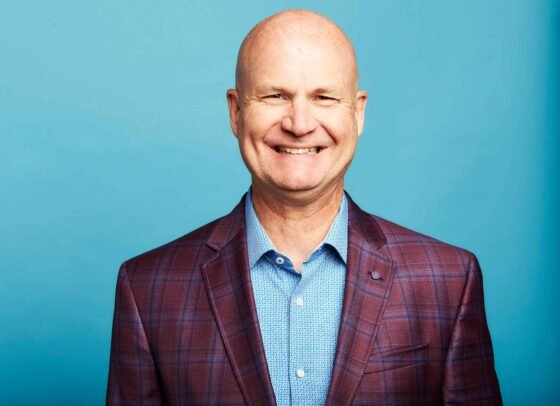
Sedona, AZ — My name is Rich Gay. I’m a 65-year-old Uptown Sedona resident who moved here 4.5 years ago with my wife because of the extraordinary natural beauty and small-town character that still inspire us every day. As the founder of a software company that managed large, complex projects, I bring proven skills in project management, fiscal responsibility, and delivering results. I’m running for City Council as part of the Sedona Residents First slate alongside Henry Silbiger for mayor, Lita Loesch Boyd, and Jean-Christophe Buillet. Together, we believe it’s time to put Sedona residents and local businesses first—before tourists, developers, or outside interests.
Sedona is at a crossroads. For too long, major decisions at City Hall have been made with insufficient transparency and resident input. Whether it was the proposed homeless car park near the high school, the unannounced rollout of Flock traffic cameras, the aggressive push for high-density housing, or the Council’s lawsuit to block a resident vote on the future of the Cultural Park, many in our community feel their voices are ignored or dismissed. When the Council votes unanimously on nearly every major issue, it raises a fundamental question about how we govern. When the Council’s decisions favor development, mass tourism, and wasteful spending, residents and local businesses suffer.
In a small town like Sedona, strong governance isn’t weakened by engaged citizens—it is strengthened by them. Small town government works best as a participative democracy, with residents having a real, meaningful chance to weigh in before big directional and spending decisions are locked in. I will change the culture at City Hall and among city staff so that they truly listen, rather than simply going through the motions of public comment. It’s essential to restoring trust. Residents aren’t “NIMBYs” or obstacles when they speak up about preserving our open spaces, trails, and quality of life—they are the people who live here, pay the taxes, and care most deeply about Sedona’s future.
That’s why my top priorities as your Councilor will focus on practical, resident-first solutions rooted in transparency, accountability, and “Preserving the Wonder” that makes Sedona special.
Here’s what I will start working on the day I’m elected:
First, restore transparency and accountability. Residents deserve real information and a genuine opportunity to participate before major decisions are made. I will champion regular town-hall meetings, public tracking of budgets and projects online in real time, and voter approval for any capital expenditure over $5 million. No more decisions made behind closed doors and presented as faits accomplis.
Second, enforce real fiscal responsibility. The Uptown parking garage is a cautionary tale—costs ballooning toward $30 million while the actual number of parking spaces may decrease. This cannot continue. I will demand stronger contracts, detailed upfront planning, competitive bidding, and an end to wasteful spending on expensive consultants. Every tax dollar must deliver value for the people who live and work here.
Third, protect and elevate our small-town character and extraordinary arts and cultural heritage. Sedona was once a serious destination for artists, filmmakers, and musicians. We can make culture an economic engine again, just as Santa Fe has done. I will fight for a formal Cultural Master Plan, a revitalized Cultural Park serving as a true civic and cultural hub for festivals, film, artist installations, community events, and a Native American museum and art center. This includes creating a curated “golden triangle” connecting Tlaquepaque, Uptown, and the Sedona Heritage Museum—while protecting the Park as one of our last large open spaces and preserving red rock views.
Fourth, tackle our worsening traffic congestion with practical solutions. My top priority is dramatically expanding and improving our cross-town shuttle system with reliable connectors linking Camp Verde, Cottonwood, the Village of Oak Creek, Uptown, Tlaquepaque, and north into the Canyon to Slide Rock and West Fork. Getting more tourists and regional commuters out of their cars is the single most effective way to reduce daily gridlock on our residential roads, lower noise pollution, cut CO₂ emissions, and ease pressure on neighborhoods. I will also work closely with ADOT, Coconino County, and Yavapai County on immediate improvements and longer-term relief options like Oak Creek crossings—pursued with full environmental review, strong community support, and minimal burden on Sedona taxpayers.
We must also manage growth responsibly. Affordable housing is a real need, but the current approach—pushing high-density apartments on every available lot while destroying the scenic beauty and open spaces that define Sedona—is completely out of balance. I support “missing middle” housing: a thoughtful mix of single-family homes, duplexes, and triplexes, plus second-floor units above existing commercial spaces. At the same time, we must dramatically reduce the crushing city fees, permits, and sewer connection costs that, combined with overly complex building codes and mandates, can add $100,000 or more to the cost of building a modest home. We must also simplify the Land Development Code and add real flexibility so attainable and sustainable housing can actually get built. I will expand the underutilized down payment assistance program with deed restrictions to keep units for year-round residents, not short-term rentals.
Responsible growth also means ensuring that water, sewer, and other critical infrastructure keep pace with any development so existing residents are not burdened and our limited water resources are protected. Public safety is non-negotiable: I will prioritize wildfire risk reduction — including stronger defensible space requirements and vegetation management — along with improved emergency evacuation planning and routes to protect our community in times of crisis.
Additionally, there are troubling questions about the new Uptown parking garage compliance with fire protection requirements, and I will ensure that a citizen committee is established to work with Council, City staff, and the Sedona Fire District to identify any issues and ensure we have a safe, compliant structure.
“Preserving the Wonder” also means protecting our iconic red rock trails from trash, micro-trash, overuse, erosion, and unregulated OHV activity. I fully support programs like Keep Sedona Beautiful’s Micro-Trash Trail Team and Litter Lifters, and I will strengthen the City’s partnerships with them while scaling up enforcement. We should promote xeriscaping with native, drought-tolerant plants in public, commercial, and residential landscaping to steward our limited water resources. And I strongly support the new, more stringent dark-sky lighting ordinance, with proactive education and practical assistance to ensure high voluntary compliance.
These priorities are not campaign slogans—they are the concrete steps the Sedona Residents First team will take on Day One. We are committed to responsible growth that protects natural open spaces with any development, creates more pocket parks and community gardens, and ensures city government serves the people who actually live and work here.
Sedona’s residents deserve a Council that listens, delivers practical solutions, and restores trust. I respectfully ask for your support in the upcoming election. Join us in protecting the small-town character, natural wonder, and quality of life we all treasure.
I’m Rich Gay, and together—with the Residents First slate—we can keep Sedona special.
Rich Gay is a candidate for Sedona City Council.
Click HERE to learn more.
11 Comments
“Sedona is at a crossroads. For too long, major decisions at City Hall have been made with insufficient transparency and resident input. Whether it was the proposed homeless car park near the high school“
A) the city has made clear to residents who were listening, their intentions to do every project that has proceeded or was blocked in court as is “the proposed homeless car park. Announcements were clearly made and Questionnaires sent to every resident for the projects you say there was no clarity on?
B) the park was intended to be used by homeless but employed people who provide daily services to you and this town not Joe homeless person off the street, as the propagandist who fought the park to have music instead insisted was the case when it was NOT. The only stipulation to the park residency was they had to be employed full time in Sedona and they could not be discriminated against in the selection process due to race, religion, handicap etc. You know, all those things stipulated in the Americans With Disabilities Act.
C) the park was to be situated temporarily in and around the defunct waste of time and money amphitheater not the football/soccer field or immediate surroundings of the high school as you have inferred here to create paranoia of the homeless in general when sadly they are our fellow Americans for the most part and many are disproportionately disabled veterans. The defunct POS amphitheater is quite a ways from the school and most dense residential areas.
I’m sure there will be a flood of cheerleaders on here to support you and your agendas and attack me for pointing out some very important facts and truths you have seemingly purposely chosen to ignore? Oh well that’s politics right? Freedom of Choice and Freedom of Expression from everyone, not just a select few who try to silence others.
Thank you, JB, for taking the time to comment and for laying out your perspective clearly. I appreciate thoughtful engagement like this — it’s how we move forward as a community.
On the process and transparency: Announcements were made and there were public meetings and questionnaires. However, the strong and swift resident response — over 1,000 signatures gathered in just 24 days for the referendum — and the final vote tell a clear story. Despite those efforts, a large majority of Sedona voters felt the decision had moved too far without sufficient genuine input or consensus. Citizens rejected the proposal by approximately 64% at the ballot. That overwhelming result wasn’t about paranoia; it reflected widespread, legitimate concerns about locating this in one of our last large open spaces in the Cultural Park area.
The proposed site was in the Cultural Park next to the old amphitheater, located in West Sedona near Red Rock High School. While it may have been somewhat screened, its placement in one of our community’s key open spaces raised valid concerns for many residents about impacts on this treasured area, nearby neighborhoods, traffic, and what precedent it would set. These weren’t fringe concerns; they were shared by enough people to produce a decisive referendum outcome.
I was particularly troubled by the documented efforts — detailed on sedonavotes.com — showing coordination by some city staff and others to interfere with the referendum signature collection process (including directives like stopping signature gathering). That kind of behind-the-scenes activity, combined with the Council’s earlier decision to move forward despite vocal opposition and the broader pattern of unanimous votes on major issues, is exactly why so many residents feel their voices aren’t truly heard until they organize a ballot measure. It’s also why restoring real transparency and accountability is a central priority for me and the entire Sedona Residents First slate.
We can — and must — do better. That’s why our platform calls for regular town-hall meetings with real dialogue, public real-time tracking of budgets and projects, and requiring voter approval for any capital expenditure over $5 million. Residents aren’t NIMBYs or bullies for wanting meaningful input on decisions that shape their neighborhoods, open spaces, and quality of life. They’re the people who live here, pay the taxes, and care most about Sedona’s future.
On the bigger picture: Affordable housing for local workers and families is a genuine need. But we don’t have to solve it by sacrificing our parks, open spaces, or small-town character. My approach focuses on practical, balanced steps that actually work:
• Dramatically reducing the crushing city fees, permits, and sewer connection costs that add tens of thousands of dollars to every new home.
° Simplifying the Land Development Code and adding flexibility so “missing middle” housing (duplexes, triplexes, townhomes, and second-floor units above existing commercial spaces) can actually get built and stay affordable.
° Expanding the underutilized down payment assistance program with deed restrictions to keep homes available for year-round residents, not short-term rentals.
° Protecting natural open spaces with any development and creating more pocket parks and community gardens.
This pairs with our vision for the Sedona Cultural Park: turning the 41-acre site into a true resident-focused civic and cultural hub with generous open spaces, community event areas, artist installations, a Native American museum and art center, and strong connections forming a “golden triangle” with Tlaquepaque and Uptown — all while protecting red rock views and our small-town character. (I’ve been clear that any restoration of the Georgia Frontiere Performing Arts Pavilion should be privately funded with zero taxpayer dollars, require voter approval, and fully mitigate traffic, noise, and parking impacts.)
We can address housing needs responsibly without turning our last large open spaces into parking lots or high-density projects. That’s what “Preserving the Wonder” and putting Residents First really means.
JB, I respect your passion for getting the facts right and your willingness to engage. I’m running because I believe Sedona deserves a Council that listens first, makes decisions transparently, and delivers practical solutions that protect both our quality of life and the natural beauty that brought so many of us here. I’m happy to continue the conversation — feel free to reach out or attend one of our events. Together we can keep Sedona special.
Rich Gay
Sedona Residents First slate
richforsedona.com
I plan to vote for you because I’ve never liked the idea of “slates,” so how will you distinguish yourself from others in your group once elected to ensure you won’t all vote the same way?
Thank you, Judy, for your comment and for planning to support me. I appreciate you raising this directly — concerns about slates are completely understandable, and voters should ask these questions.
You’re right to want to know how the four of us on the Sedona Residents First slate will operate once elected.
Here’s my honest answer:
Over the past four years, the current Sedona City Council has voted unanimously on nearly every major issue — the Flock camera rollout, the proposed homeless car park in the Cultural Park, height variances for high-density apartments, the lawsuit to block a resident vote on the Cultural Park’s future, and many others. That level of lockstep voting is not evidence of healthy diversity of opinion; it’s the opposite. It’s left many residents feeling their voices don’t matter until they organize a referendum or lawsuit.
We formed the Sedona Residents First slate because we share a clear, consistent set of principles: putting Sedona residents first, restoring real transparency and accountability, practicing genuine fiscal responsibility, protecting our small-town character and open spaces, and delivering practical solutions on traffic and affordable housing. That alignment is the point — so voters know exactly what they’re getting instead of vague promises or surprises after the election.
That said, we are four different people with different backgrounds and life experiences. I bring more than 35 years in technology and operations, including running large, complex projects, managing budgets, and delivering results under pressure. I’ve also served as Vice President of our local EAA chapter, built and fly my own experimental airplane, and raised a family while living the Sedona lifestyle my wife and I chose four and a half years ago. Those experiences shape how I approach issues — with a strong focus on project management discipline, cost control, and listening to people who actually live here.
Once elected, I will:
• Debate issues openly and thoughtfully with my colleagues.
• Bring my own perspective and ask hard questions, especially on contracts, spending, and long-term impacts.
• Engage directly with residents through regular town halls and transparent processes.
• Vote my conscience on every issue while staying true to the core commitments we’ve all made to the community.
We won’t vote in lockstep on everything just because we’re on the same slate — any more than the current council’s unanimous record has served Sedona well. But on the foundational principles that matter most to residents (real transparency, fiscal discipline, protecting what makes Sedona special, and giving people a genuine voice), you can count on consistency. That’s what “Residents First” means.
I encourage you to come to the upcoming forums, review our positions in detail, and ask any of us the tough questions. I’m happy to keep this conversation going.
Thank you again for your support and for caring enough to dig deeper.
Rich Gay
Sedona Residents First
richforsedona.com
Great now answer a few questions please?
What is your opinion on Home Rule?
You talk about traffic solutions what are they?
Do you believe in public transportation? Our community keeps getting older, paratransit ideas?
Complaints about over spending on parking garage. How can you deal with changes on a project when the city must take low bidder?
Thanks I will wait.
Thank you, Dave, for the direct questions. I appreciate residents who dig in and ask specifics — that’s how we get better answers.
Here are my straightforward responses:
Home Rule
Sedona already operates under Home Rule. My position, and the position of the entire Sedona Residents First slate, is that we are neutral on the question and believe the voters should decide. With either outcome — a Yes or a No — we are committed to fiscal responsibility and reducing the size of Sedona’s budget and staff. What matters most is ensuring the city manages its budget and spending responsibly and transparently, no matter which path voters choose.
Traffic solutions
My top priority is dramatically expanding and improving our cross-town shuttle system with reliable connectors that actually work — linking Camp Verde, Cottonwood, the Village of Oak Creek, Uptown, Tlaquepaque, and north into the Canyon to Slide Rock and West Fork. Getting more tourists and regional commuters out of their cars is the single most practical way to reduce daily gridlock, noise, and pressure on our residential roads.
I will also work aggressively with ADOT, Yavapai County, and Coconino County on immediate improvements such as better signal timing and safety enhancements, while continuing to pursue longer-term options like carefully planned Oak Creek crossings — only with strong community support, full environmental review, and minimal burden on Sedona taxpayers. We also need better emergency evacuation planning and routes tied to wildfire risk reduction. These are practical, multi-jurisdictional steps that can deliver results instead of endless studies.
Public transportation and paratransit
Yes, I believe in practical, well-managed public transportation that serves residents — not just tourists. Our community is aging, and we need transit options that actually work for the people who live here. I support expanding accessible shuttle service and targeted paratransit improvements as part of a broader system that reduces car dependency while remaining fiscally responsible and tailored to Sedona’s unique geography and needs. The goal should be reliable service that residents can actually use, not symbolic programs.
Parking garage and project management / change-order problems
The Uptown parking garage is a textbook example of what’s gone wrong — costs ballooning toward $30 million while we’re now learning the total number of parking spaces in Uptown may actually decrease. That cannot continue.
Sedona used a qualification-based Construction Manager at Risk (CMAR) process for this project rather than traditional low-bid. That approach can work well when done right, but it requires even stronger upfront planning, clear specifications, rigorous contract management, and ongoing oversight to prevent the kind of cost overruns and scope changes we’ve seen. I will push for these improvements on Day One, along with greater transparency and, where appropriate, citizen oversight on major capital projects.
Dave, these are the kinds of practical, resident-first approaches the Sedona Residents First team will bring to Council. I’m happy to discuss any of them further — feel free to follow up here or come to one of the upcoming forums.
Thanks again for the questions.
Rich Gay
Sedona Residents First
richforsedona.com
So I will go with the non reply, reply? When things need fixing it tales MONEY! A no vote to Home Rule cripples the city to do anything. That is the point. What a sad state of affaires were people want to destroy their own city. And for what? To say, see how bad I made things?
Fix traffic=money
Build on Transportation=money
fix roads=money
Amphitheater=money
workforce housing=money
fix trails=money
help local charity=money
Thank you Rich. But I am sad to say, every point of yours cost money. Huge money as a matter of fact! So what could you do if home rule failed?You need home Rule to achieve anything! It would be 4 years of cuts and nothing gets built or improved.
Im sorry you sound like a politician promising the world yet not looking at real world outcomes.
I will not vote for you for those simple reasons. Cutting and slashing is just that. We have seen what our Federal Government do that. Cuts to the most poor and sick through Medicaid. Social Security just ignored as it slowly goes in the hole. Tax breaks for the most wealthy while we lose services. Endless wars, bloodshed, and death, for what?
Candidate Gay,
I appreciate the response given me. I like that you are for more busing especially shuttles to make transportation I. And around Sedona possible for all.
What I dislike is the fact that you admit that the current city government has in fact been transparent and lawful but you still take a swing at them for not going with the results of an impromptu referendum on things like the proposed TEMPORARY car park for un housed city employees who work here full time but cannot afford to pay $2,500-$3,600 (average rates) a month to live in someone’s BnB garage while also paying taxes, car registration and insurance as well as astronomical fuel prices.
You keep saying the cultural park is “near” red rock high school as if it is attached to it? I think near is a relative term. Sedona PD and the Sedona City Government Offices are “near” to the cultural park. What difference does that make on anything? You seem to infer that having a TEMPORARY car park for full time un housed Sedona employees who serve men, women and children in Sedona, would be some sort of imminent threat to the children? Can you clarify your statement on this and why you feel the need to even point that out in the first place.
You state you are neutral to Home Rule. Well if Home Rule is overturned will you be willing to commit to NOT utilizing any of the local non profit organizations that would lose their city grants? Or will you just say oh well and continue with the neutrality that could devastate Meals on Wheels, Sedona Recycling, The Food Bank, Humane Society and other crucial organizations many people depend upon daily which are already struggling due to the outlandish Federal cuts to everything that doesn’t put money directly into or current law maker pockets?
Thanks for the discourse rather than the usual political lip service alternative facts, propaganda and gaslighting. I look forward to additional responses from you.
“The proposed site was in the Cultural Park next to the old amphitheater, located in West Sedona near Red Rock High School. While it may have been somewhat screened, its placement in one of our community’s key open spaces raised valid concerns for many residents about impacts on this treasured area, nearby neighborhoods, traffic, and what precedent it would set. These weren’t fringe concerns; they were shared by enough people to produce a decisive referendum outcome”
Sorry Mr Gay but nearly everyone who opposed the car park want a concert venue that will result in far more destruction and litter than a temporary employee car park ever would. That’s not protecting or keeping open said “treasured area”! The car park was to be temporary with limited modifications and stringent oversight. A music venue will require rebuilding, giagantic paved parking areas, loads of litter, fights, alcohol and most definitely illicit drugs. All the things the paranoia machine was trying to claim would be the result of allowing full time employees live there to feel safe and secure rather than living out on Bill Grays Wild West show where unemployed homeless people currently reside. Sedona has un housed employees but I guarantee you that their numbers pale by far compared to the people who might show up for a concert or two before becoming defunct again. I think thousands of concert goes converging and parking around the amphitheater will result in a nightmare of litter and environmental damage not to mention an insane traffic control scenario. Think about it! I think reasonable people without a profit making scheme for the amphitheater would agree.
I’m a big music lover, love concerts but Sedona is not the place to have such large scale events. The film festival is chaotic enough, the amphitheater will result in film festival traffic chaos on steroids.
Thanks for taking and responding to people’s questions. That’s how political discourse works.
Rich, I am waiting for a answer. How can you make change if Home Rule fails? City wont have money to do more than survive. So lets hear your plan please.