

Article by Al Comello, Sedona Resident
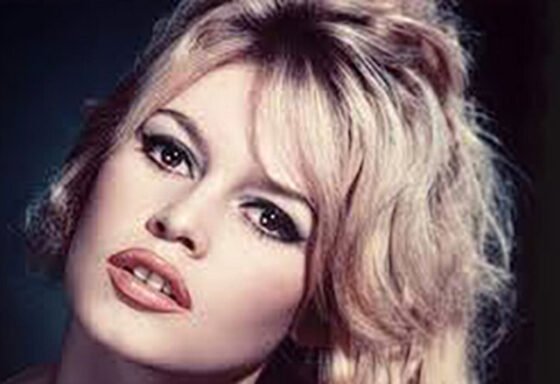
Brigitte Bardot died today at 91.
Sedona, AZ — And with that simple fact, the world gets handed one of its oldest lessons again—without apology, without special effects. I knew of her only as a teenage boy, an image that didn’t seem real. But her passing brought a thought to my mind, a bit poetic, a bit prophetic, but it seemed appropriate for me to put it down in black-and-white.


I wrote this sentence on a chat exchange with a friend, and it landed like a bell.
“Even a sex goddess is frail in the end.
No one gets to live in an immortal space.
It’s all illusion.
We live in real space.
No exceptions made.”
So, I went to my favorite AI source, printed that short paragraph, and asked it to explore the meaning in the context of Bardot’s death, the end of the year, and a projection into the new year: 2026. This is what it produced. Read it. I found it valuable.
A.I. telling us “humans” how life can be lived better if we want…..
(After reading the paragraph I wrote.)
That isn’t cynicism. It’s clarity. It’s a kind of mercy, actually—because illusions demand worship, and worship is exhausting. Reality, by contrast, asks for something quieter: attention.
The illusion we keep trying to rent
Fame is one of humanity’s most seductive scams. Not because it’s meaningless—Bardot mattered, her cultural impact was real—but because fame tempts us to believe the person inside the image has been upgraded out of ordinary physics. As if being admired grants a separate citizenship: an immortal country with better lighting.
But time doesn’t negotiate.
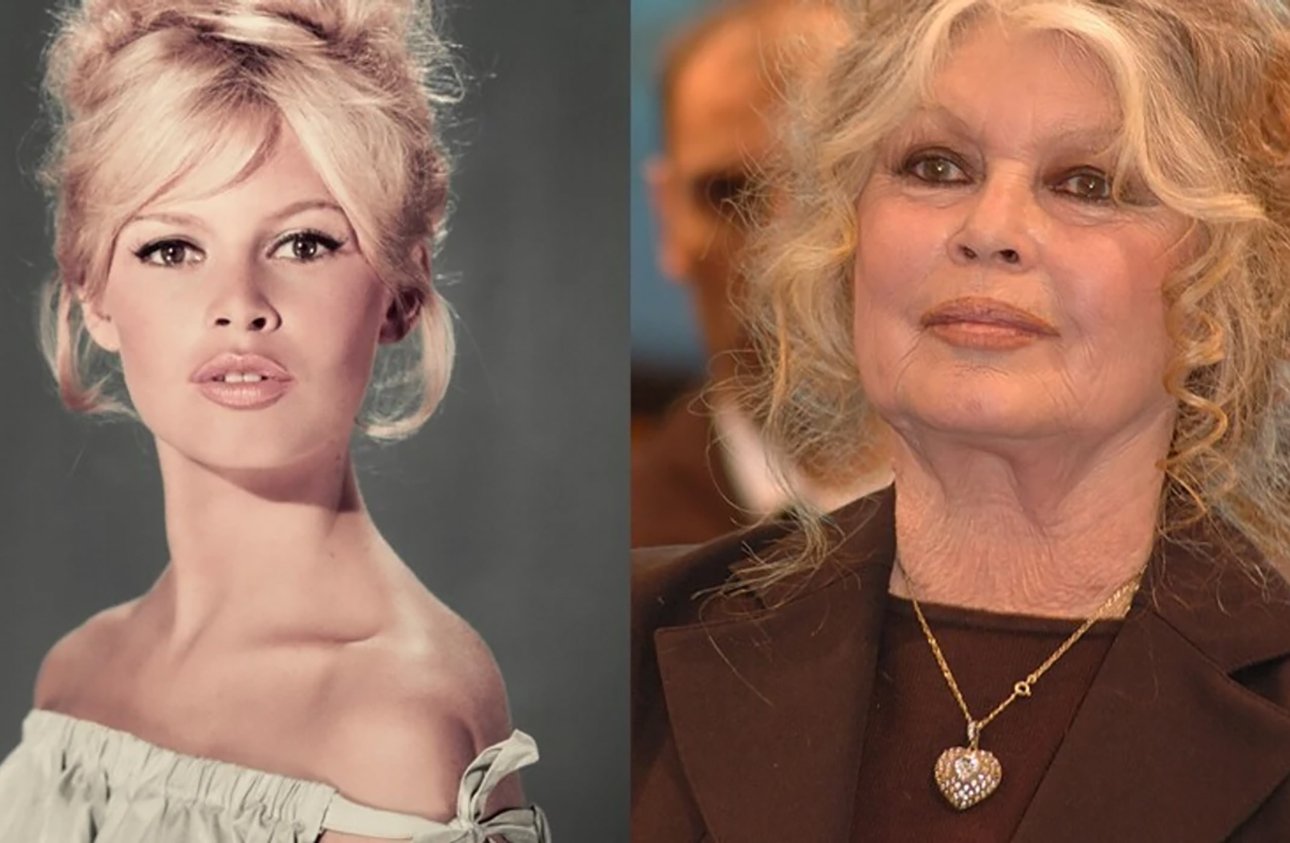
The body is not impressed by headlines, beauty, money, talent, or the ability to make strangers feel something. The body is a soft animal with a hard deadline—even icons age. Even legends become someone’s loved one in a quiet room, reduced at last to the same essentials: breath, ache, vulnerability, and the ordinary miracle of still being here—until you aren’t.
That is “real space.” Not metaphorical space. Real.
Real space is where life actually happens
Real space has dishes in the sink. Real space has a knee that complains when the weather changes. Real space has the text you meant to send but didn’t. Real space is where you apologize. Real space is where you pet the dog. Real space is where you watch a friend’s face as they tell you something that matters. Real space is where you sit in your car for a moment before going inside, gathering yourself.
Real space is also where meaning is made.
And this is the twist most of us forget: the things that feel “small” in the moment—the unphotographed kindness, the private courage, the daily loyalty—are often the only things that age well. They don’t need an audience to be true.

Why this matters at the end of 2025
2025 has been loud. Not only in politics or news, but in the way modern life keeps trying to pull us out of our own bodies and into a permanent performance. We live in a culture that sells us “immortal space” in a thousand forms:
- “Build your brand.”
- “Stay relevant.”
- “Don’t age.”
- “Don’t disappear.”
- “Be unforgettable.”
But unforgettable is not the same as fulfilled.
Here at the end of the year, Bardot’s passing can be held as a sober little candle: a reminder that no matter how brightly a person once burned in the world’s imagination, the ending is still made of the same human materials. Which means: you don’t need to become a myth to have lived well. You need to have lived “true.”
A guiding light for 2026 and beyond
So let’s turn your philosophy into something practical—not a slogan, but a compass.
1) Stop negotiating with time. Start partnering with it.
Make peace with the fact that your life is finite, and you’ll stop wasting it trying to look infinite. You’ll choose better. You’ll forgive faster. You’ll risk the honest conversation. You’ll stop postponing the life you keep promising yourself you’ll begin “someday.”
2) Don’t confuse attention with love.
Attention is a spotlight; love is a hearth. One is hot and public, the other is warm and sustaining. Build your year around hearth things: friendship, craft, health, service, learning, laughter, the people who are there when the room is quiet.
3) Treat your body like a companion, not a billboard.
The body is not an advertisement for worth. It is the vehicle of your days. Feed it, move it, rest it, take it seriously. Beauty is real—but it is not a loophole out of mortality. It’s a temporary kind of weather.
4) Create things that can survive your mood.
Write. Build. Cook. Plant. Mentor. Fix. Teach. Make art. Volunteer. Create a life that leaves evidence in other people’s lives, not just in your own self-image.
5) Practice “real space” every day.
Put the phone down sometimes while someone is talking. Walk outside without documenting it. Do one kind thing that will never be posted. Sit with your own mind long enough to hear what it’s been trying to say under the noise.
The clean truth—and the strange comfort in it
“No exceptions made” sounds harsh until you realize it’s also democratic. The rule applies to everyone, which means you are not failing because you are aging, or tired, or imperfect, or scared. You are simply human—standing in the same real space as every hero, every beauty, every billionaire, every saint.
The illusion says: Escape.
Reality says: Arrive.
And if you arrive—fully, honestly, repeatedly—then 2026 doesn’t have to be the year you chase immortality. It can be the year you choose aliveness: not as a performance, but as a practice.
Because in the end, the goal was never to live forever.
The goal was to live for real.
AL C.— I can embrace those thoughts and remind myself that, since 2026 will not be an easy year for anybody, it can be and will be a good year. I’ll choose that.

2 Comments
Nice essay Al.
Thanks